

IT News March 2026: Top AI Events March 9–15
First, we look at an AWS billing outage linked to AI agents. Then we move to Apple CarPlay and third‑party assistants. After that, we explore a biological computer from human neurons, a new 3D fly brain model, defence contracts for Mistral AI, and AI tools at YouTube and Netflix.
IT News March 2026: AI Agents and Cloud Outages
However, Amazon publicly focuses on misconfigured access controls and user error, not on a “rogue AI”. Even so, the case shows how risky it is to give AI agents broad production privileges. Independent engineers also analyse the chain of events in “Amazon's AI Outages Escalated”
Key lessons for engineering teams
Teams should limit the blast radius for any AI agent in production. In addition, they need strict IAM rules and fine‑grained permissions. It is also important to require human approval before an agent performs dangerous actions. Finally, every such system should have a fast and simple kill switch.
IT News March 2026: AI in Automotive
Apple CarPlay and third‑party AI assistants in iOS 26.4
The iOS 26.4 public beta and updated CarPlay documentation reveal a new category of voice‑driven conversational apps. This allows third‑party AI assistants, such as ChatGPT, Claude, or Gemini, to run directly inside CarPlay, respond to voice commands, and display results on the car screen. You can read more in “CarPlay Gets AI Chatbots” and in TechRadar’s CarPlay AI upgrade article
Siri remains the system assistant for core iPhone and vehicle functions, but it no longer fully controls in‑car voice experiences. Developers must request new CarPlay entitlements, implement a safe voice UI, and obey strict safety rules: external AI services cannot directly control driving features.
Opportunities for product teams
This update creates a new channel for AI copilots in the car. It enables productivity and planning workflows on the dashboard. It also opens space for vertical AI assistants for sales, service, and logistics built specifically for CarPlay.

IT News March 2026: Biological and Brain‑Inspired Computing

1. Cortical Labs: biological computer on living human neurons
Australian startup Cortical Labs presented its CL1 platform and the Cortical Cloud, a biological computer built from roughly 800,000 human neurons grown in the lab and placed on custom chips. The neurons sit in a nutrient solution, connect to a microelectrode array, and are exposed through a software stack with a Python‑friendly APIThe system already learns to play simple games like Pong and Doom while consuming far less power than traditional silicon hardware, according to the company. Neurons can be kept alive for months thanks to integrated life support with pumps, filters, and environment control, as described in coverage of the “computer that learns like a human brain”.
Why this matters for AI and research
This platform supports hybrid biological‑digital AI systems. It enables real‑time experiments on learning in living neural networks. It also provides new inspiration for energy‑efficient AI architectures and training methods.
2. 3D fly brain: 125,000 neurons mapped and simulated
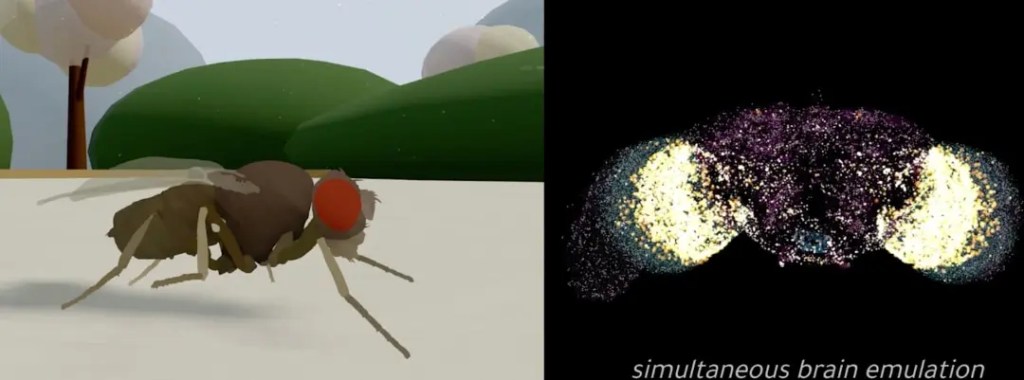
Investors and futurists quickly link this work to long‑term ideas of mind uploading, but the current level does not support full memory, identity, or human‑level cognition.
Implications for the AI community
Better biological models can inspire new neural network architectures. They provide insights into sparsity, connectivity, and the “physics” of real brains. They also lay a long‑term foundation for neuromorphic and brain‑inspired computing.
IT News March 2026: AI and Defense

Mistral AI and the French Ministry of Defence
French foundation model startup Mistral AI has secured contracts with the French Ministry of Defence, delivering models that run on air‑gapped, isolated infrastructure rather than public clouds. This move reflects Europe’s ambition to build sovereign AI stacks and keep sensitive workloads on local vendors instead of foreign hyperscalers.The deals also sit inside a broader ethical debate about using large models for intelligence, cyber operations, and battlefield decision support.
Signals for founders and enterprises
Defense and public sector AI is emerging as a separate market. Security, compliance, and certification requirements will be strict. Barriers to entry are high, but contracts can be large and long‑term.
IT News March 2026: Media, Video, and Localization
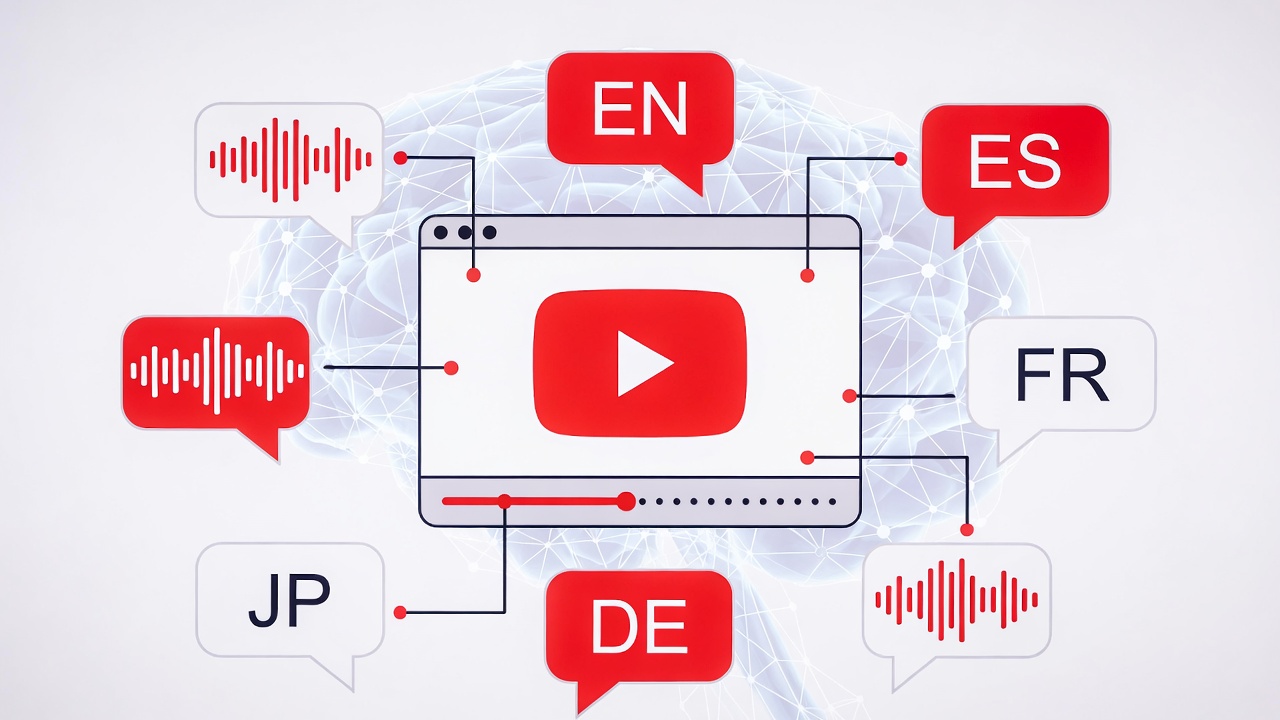
YouTube neural dubbing in 27 languages
YouTube has expanded its neural dubbing features, rolling out automatic translation, expressive speech, and lip‑sync in 27 languages for more creators. The technology adds extra audio tracks that preserve timing and emotional tone, making it much easier to reach non‑English markets without classic studio dubbing.The feature goes beyond subtitles. Viewers can hear a voice that matches lip movements and emotions, while creators can still opt out if they worry about brand voice or authenticity.
Benefits for content teams
One video can now serve many language markets. It supports audience growth in regions with low English proficiency. It also reduces the need for manual dubbing and external localization vendors.
Netflix acquires AI startup for post‑production
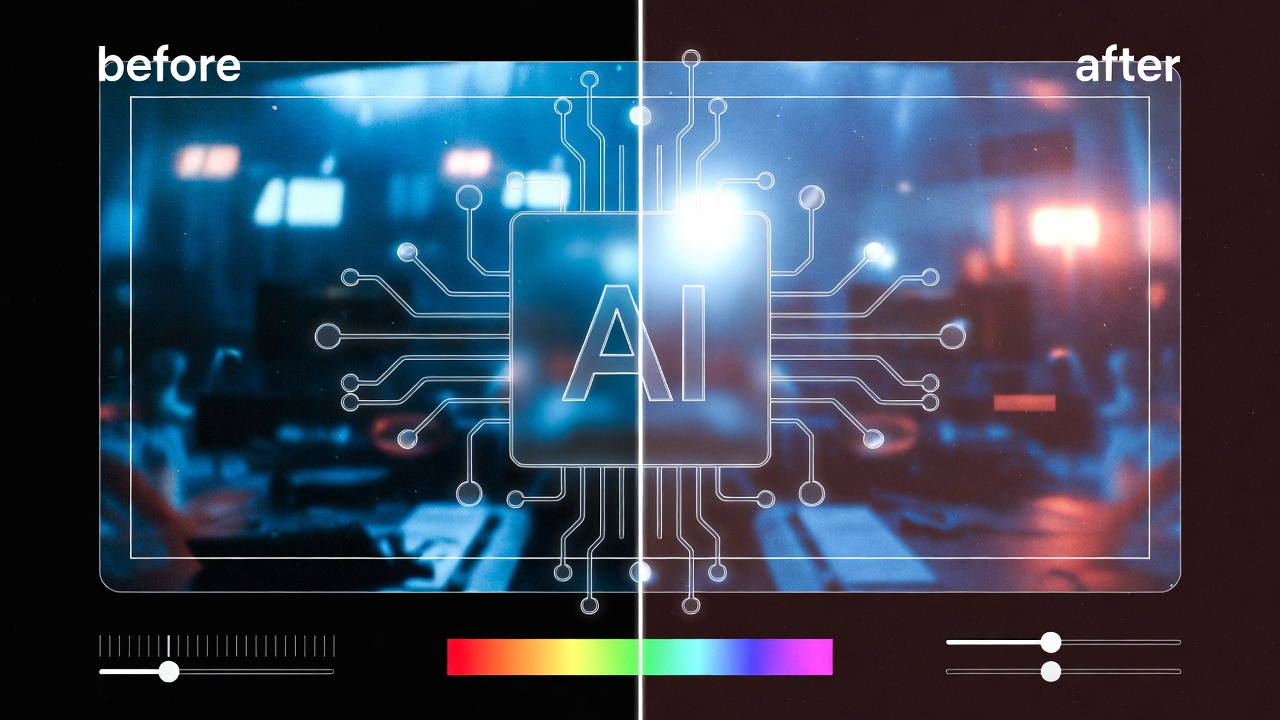
By integrating these tools into its pipeline, Netflix can reduce the cost and turnaround time of shows and films while freeing creative teams from tedious visual cleanup work.
What this means for studios and agencies
AI‑first post‑production is becoming a new industry standard. Clients will expect more versions and higher visual quality for the same budgets. Studios and agencies should start testing similar tools now.
IT News March 2026: Key Takeaways
Media platforms like YouTube and Netflix already use AI to localize and enhance video at scale. At the same time, European governments sign strategic defence contracts with AI vendors. For product teams and founders, this week is a reminder to balance innovation with safety, regulation, and clear business value instead of following hype.
Contact us
Please fill out the form, and we will get back to you once your request has been processed.
You can also send your request directly to our email: info@24gen.space
We will respond as soon as possible after receiving your message.